Product Description
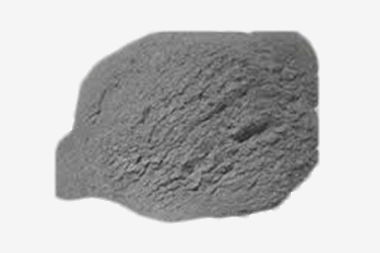
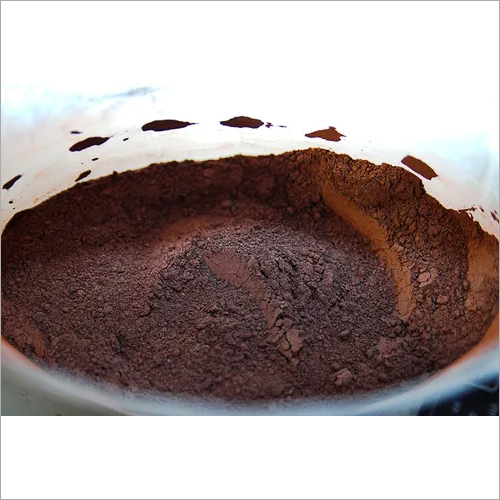
We are offering premium quality Thermite Welding which is used for obtaining iron in its molten state. It is manufactured in our modern machines by skilled workers under set industry norms and regulations. This welding powder is tested on various stages of processing on various parameters such as density, molecular mass, purity, solubility, specific gravity and lot more to ensure powder is safe and meet all standard quality for delivering. It is also used for welding of the rail bar to one another to fix cracks and holes. This Thermite Welding is available in various packaging quantities and can be customized as per order of the client's requirement and specifications. It shows effective result and last for longer period of time.
Fast, Robust, and Permanent WeldsOur exothermic thermite welding system guarantees a highly conductive, permanent bond in just seconds. The reaction quickly fuses metals at high temperatures, forming joints that outlast and outperform traditional mechanical connections. Its resistance to corrosion and weathering makes it the ideal choice for critical infrastructure applications.
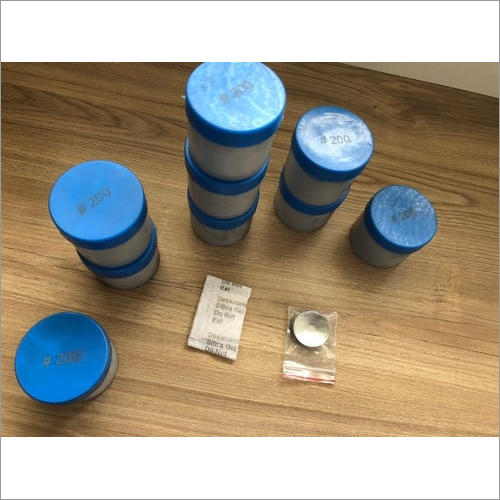
Effortless Application and AdaptabilityThe pre-measured cartridge packaging allows straightforward handling and easy setup for field operators. Whether joining rails, cables, or ground rods, the process is manual and does not rely on any external voltage. This adaptability ensures consistent results across a wide diameter range and many different field environments.
FAQ's of Exothermic Thermite welding:
Q: How does the exothermic thermite welding process work for rail and cable applications?
A: Exothermic thermite welding uses a chemical reaction between aluminum powder and iron oxide, ignited by a flame and ignition powder. This reaction generates intense heat, melting and fusing metal conductors inside a mold. The result is a permanent, highly conductive joint commonly used in rail, cable, and ground rod installations.
Q: What are the main benefits of using this molded thermite weld compared to traditional mechanical joints?
A: Molded thermite welds offer better conductivity, higher mechanical strength (exceeding the connected conductors), and greater resistance to corrosion. Their molecular bond eliminates the weak points found in bolted or clamped joints and ensures long-lasting integrity in harsh environments.
Q: When should I use exothermic thermite welding in my project?
A: Exothermic thermite welding is ideal when a strong, permanent, and low-resistance connection is required, especially for critical electrical or structural infrastructure like railways, grounding systems, or heavy-duty cables.
Q: Where are exothermic thermite welds most commonly applied?
A: These welds are frequently employed in railway tracks, cable connections, grounding rod installations, and situations requiring robust, corrosion-resistant electrical or structural connections.
Q: What steps are involved in the exothermic thermite welding process?
A: The process involves cleaning the conductors, setting up the mold, and placing the pre-measured thermite cartridge above the connection. An ignition powder is placed on top, and the reaction is started with a flame. In a few seconds, the molten metal flows into the joint area, creating a durable, permanent bond.
Q: How should I store pre-measured thermite welding cartridges to maintain their quality?
A: Store the cartridges in dry conditions to ensure a shelf life of over 24 months. Protect them from moisture and extreme temperatures to preserve the effectiveness of the exothermic powder and ignition components.
Q: What are the visible characteristics of a completed thermite weld joint?
A: After welding, the joint exhibits a smooth, grey to silver finish without additional coating. The appearance is a result of the pure molecular bond formed during the high-temperature reaction.









 Send Inquiry


